info@argus-project.eu


A new report from ARGUS Work Package 4´s Sensor Development Group CSIC, EURECAT and Worldsensing entitled Packaged Deployable Technology marks a significant milestone in the ARGUS project’s mission to advance non-destructive, scalable, and smart monitoring of remote cultural treasures.
The deliverable showcases the successful deployment and integration of ready-to-use sensor packages across five diverse pilot heritage sites, providing the technological backbone for continuous, multimodal monitoring and preventive conservation.
What Is Packaged Deployable Technology?
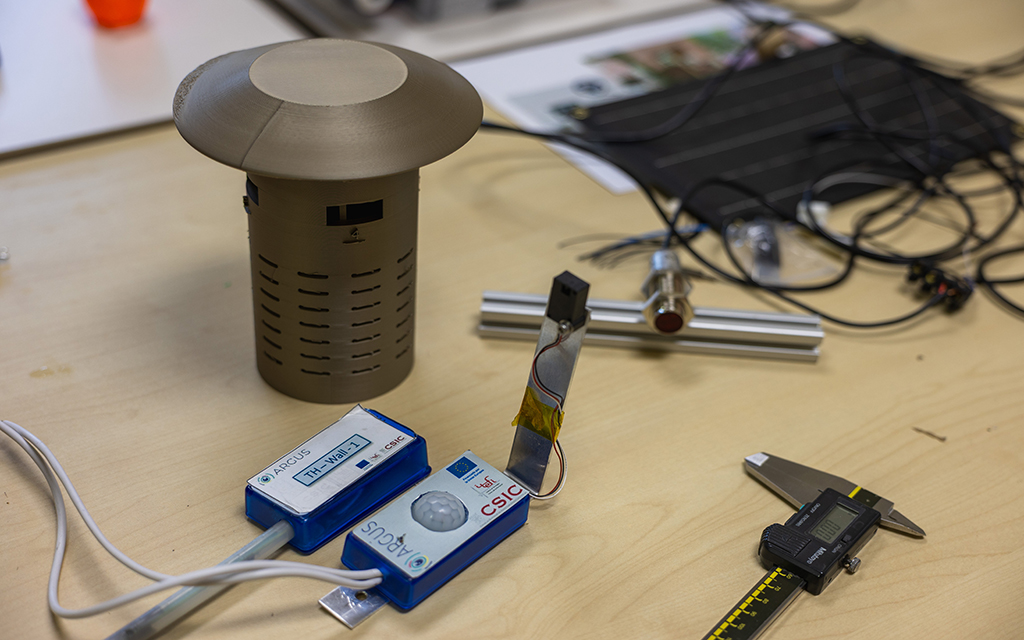
At its core, the report represents the culmination of efforts to design, assemble, and install modular sensor systems that can be rapidly deployed in sensitive, remote, or access-restricted heritage environments. These packages combine both custom-developed and commercial sensors, tailored to the unique needs and risks of each site. The approach ensures:
- Minimal impact on cultural assets
- Scalability for different site sizes and conditions
- Robustness to withstand challenging environmental factors
- Continuous data acquisition for long-term monitoring
Key Features and Approach
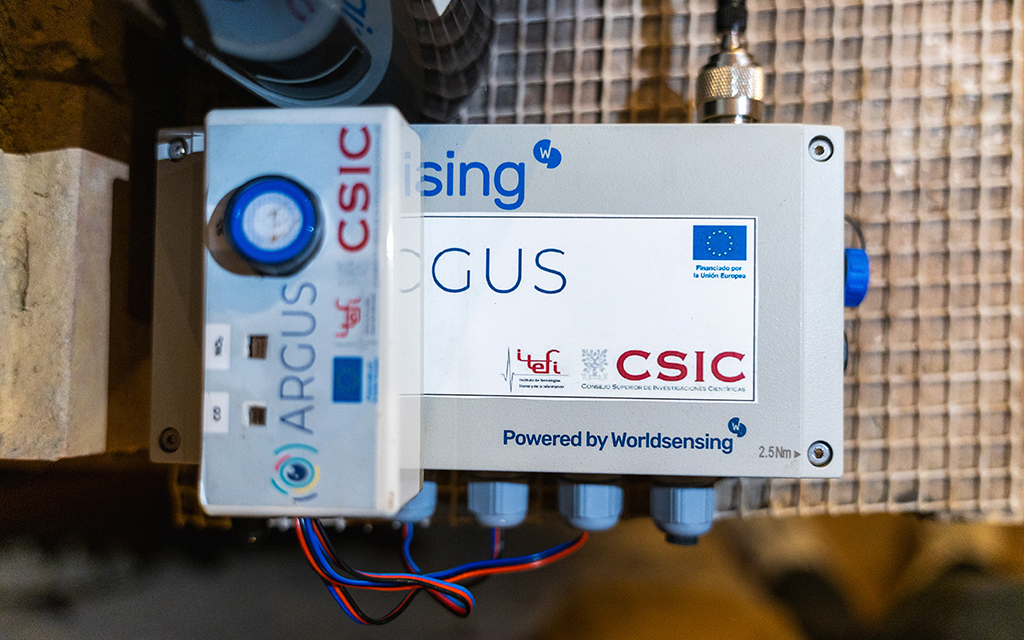
The deployed systems are designed for multimodal monitoring, integrating environmental, structural, and anthropogenic sensors to enable comprehensive observation of conditions such as climate, air quality, structural stability, and visitor impact. All sensor packages are connected through low-power wireless networks, primarily based on LoRaWAN technology, allowing real-time data transmission even in remote or difficult-to-access locations.
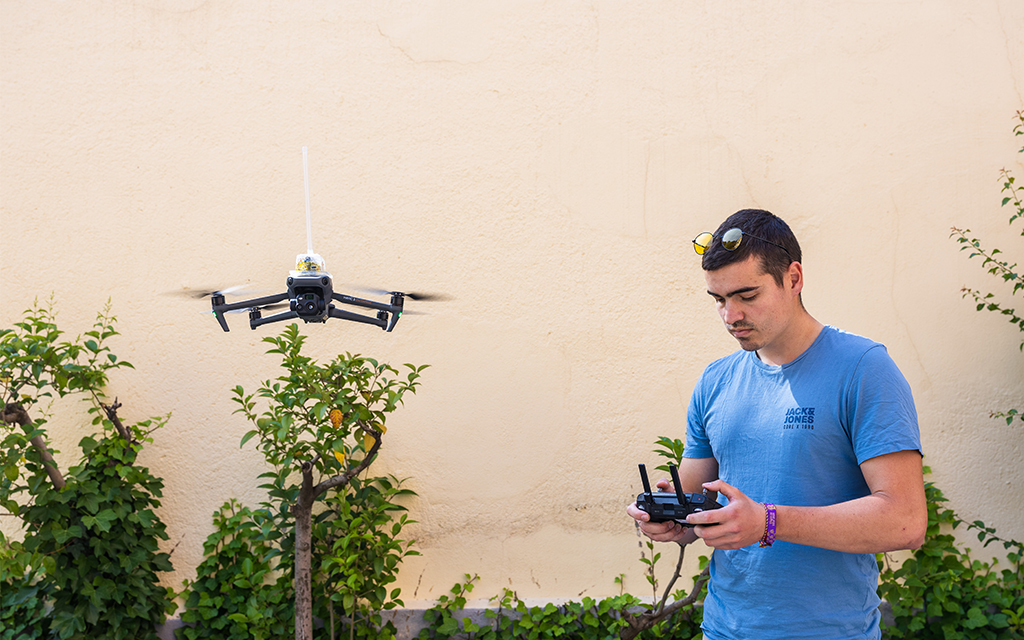
Deployment strategies were tailored to the specific characteristics and constraints of each pilot site to ensure effective coverage while minimising disruption to the environment and ongoing activities. In addition, the project developed and tested mobile inspection systems, including drone-based and ground-based platforms, to complement static sensors and extend monitoring capabilities to areas that are otherwise hard to reach.
Lessons Learned and Challenges
Following the deployment process, important insights gained into the practical realities of monitoring cultural heritage sites. In several cases, teams faced operational challenges, including vandalism, power outages, and difficult environmental conditions such as high humidity and salinity, all of which occasionally resulted in system failures.
These experiences, however, proved valuable in guiding subsequent improvements, leading to enhanced system robustness, more effective power management solutions, and refined deployment strategies for future installations.
Why Does This Matter?
The packaged deployable technology developed in ARGUS demonstrates that it is possible to implement integrated, low-impact, and scalable monitoring solutions in a wide range of heritage contexts. This work not only supports preventive conservation but also sets a foundation for future innovation in heritage science.