 info@argus-project.eu


The Sensing Technology Miniaturisation report, developed within the ARGUS project, presents a comprehensive overview of the design and deployment of advanced sensing technologies for the monitoring of cultural heritage sites.
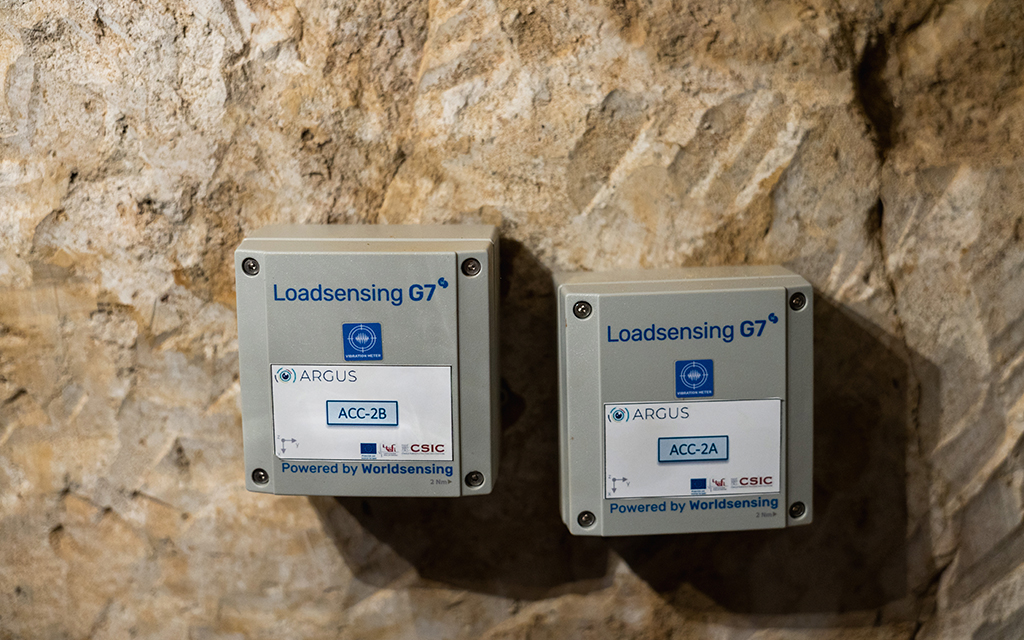
The initiative focuses on developing scalable, non-invasive monitoring systems capable of protecting remote and vulnerable heritage assets from environmental, structural, and human-induced threats. The report documents the technological foundations required to deploy these systems across five pilot sites, each characterised by distinct environmental conditions and conservation challenges.
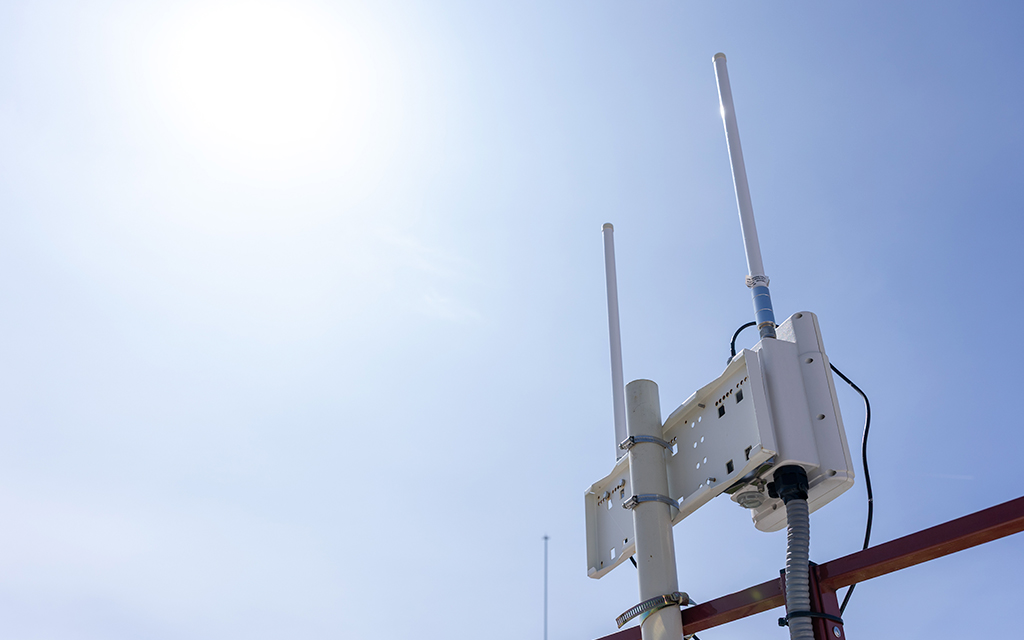
A central focus of the report is the integration of innovative sensing solutions within a unified communication architecture based on Long Range Wide Area Network (LoRaWAN) and Message Queuing Telemetry Transport (MQTT) protocols. LoRaWAN and MQTT together form a robust and efficient IoT communication stack, in which LoRaWAN enables long-range, low-power data transmission from distributed sensors to gateways, while MQTT provides lightweight, publish–subscribe messaging to reliably relay this data from gateways to cloud-based applications for real-time monitoring and analysis of critical parameters such as air quality, soil moisture, structural behaviour, and visitor presence.
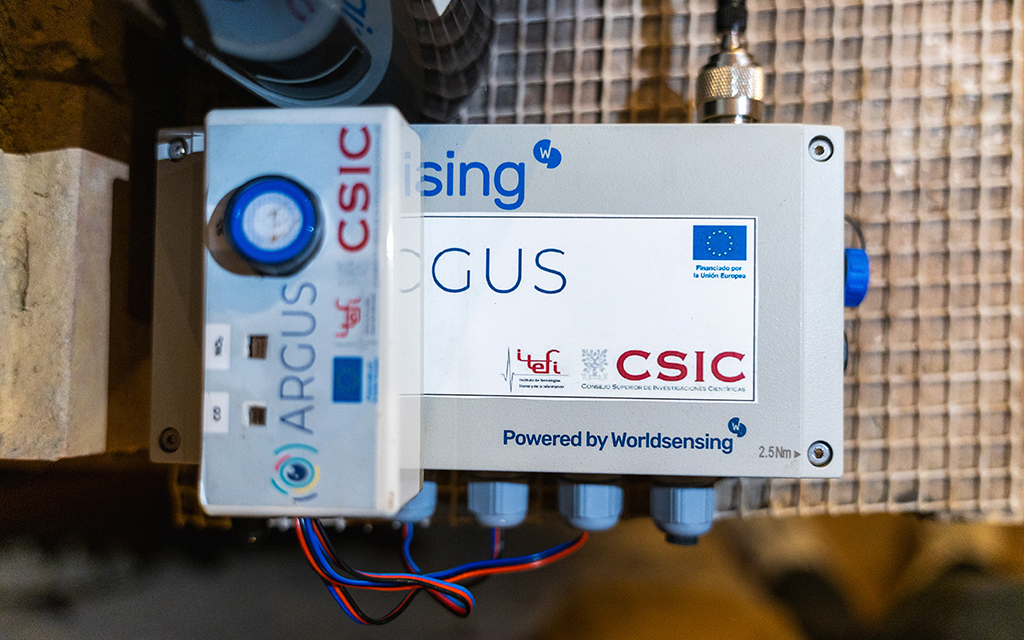
The monitoring ecosystem combines commercially available technologies with purpose-built prototypes, including people and vehicle counters, airflow sensors, multi-depth temperature and humidity probes, as well as mobile platforms such as UAV-mounted gas detection systems and quadruped robotic sensors for environmental monitoring.
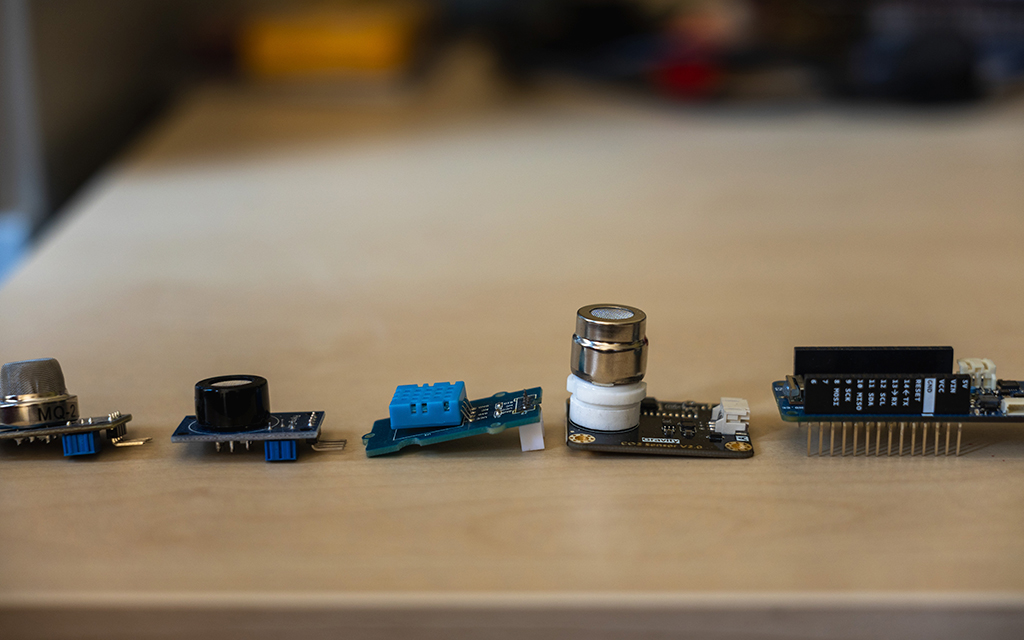
To ensure operational reliability and long-term performance, the sensing systems underwent extensive pre-deployment testing. These validation activities assessed measurement accuracy, robustness under challenging environmental conditions, energy efficiency, and communication stability. The report also highlights the strategic selection of sensors, gateways, and data loggers tailored to the specific requirements of each pilot site, ensuring seamless integration into the overall monitoring framework and supporting sustained, low-maintenance operation.
Overall, the Sensing Technology Miniaturisation report marks a key milestone for the ARGUS project. It delivers a robust and adaptable suite of sensing technologies designed specifically for the preventive conservation of cultural heritage. By combining cutting-edge technological innovation with a rigorous engineering methodology, ARGUS has established a resilient monitoring ecosystem ready for deployment in real-world environments, laying the groundwork for more sustainable, data-driven approaches to heritage preservation.